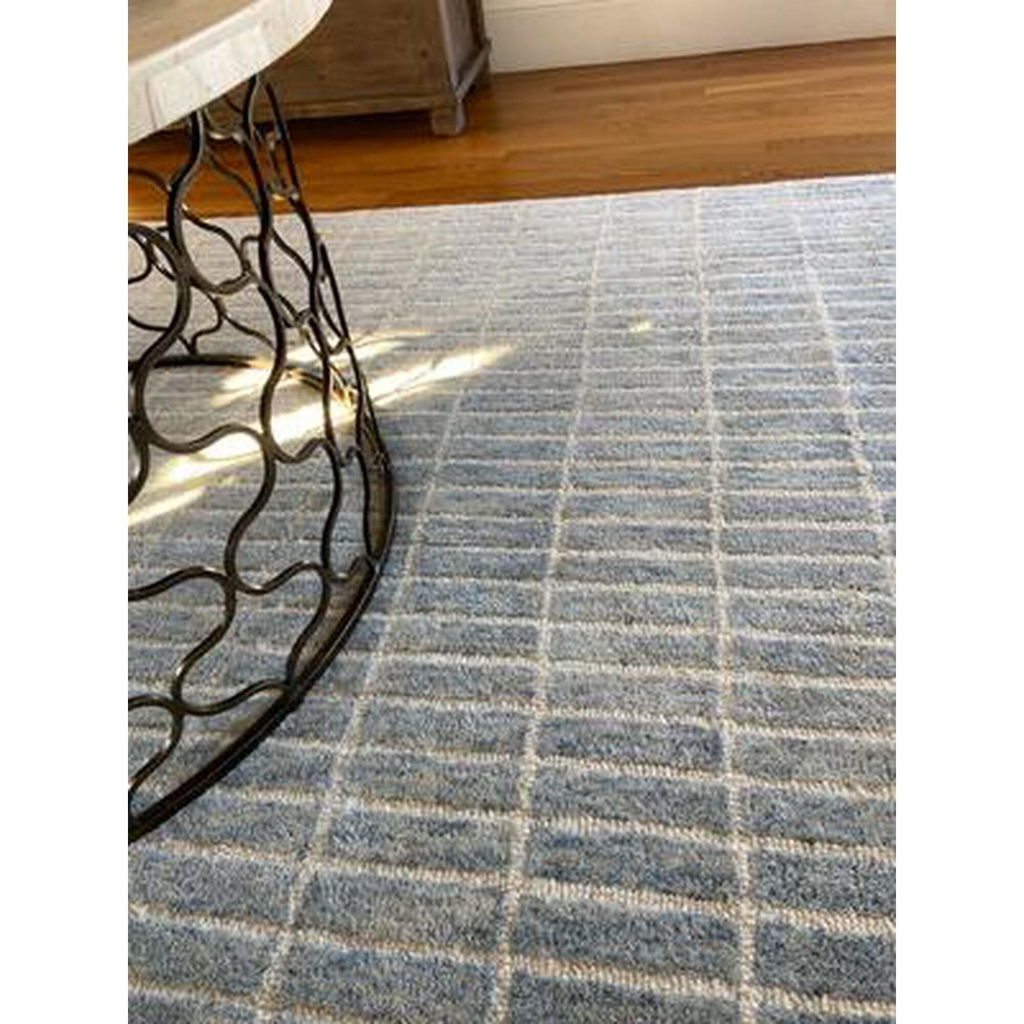


A well-placed rug can completely transform a room. Whether you're decorating a cozy apartment or a spacious family home, the right rug placement adds warmth, comfort, and visual balance. However, even the most beautiful rug can look out of place if it isn't positioned correctly.
Here are 10 essential rug placement rules every homeowner should know.
1. Choose the Right Rug Size
One of the biggest decorating mistakes is choosing a rug that is too small. A properly sized rug helps anchor furniture and creates a cohesive look throughout the room. Interior design experts recommend selecting a rug that connects your furniture arrangement rather than leaving it floating.
2. Keep Front Furniture Legs on the Rug
In most living rooms, the front legs of sofas and chairs should rest on the rug. This simple rule visually ties the seating area together and creates a balanced appearance.
3. Leave Space Between the Rug and Walls
Avoid placing rugs wall-to-wall. Leaving 6 to 12 inches of visible flooring around the edges creates a cleaner and more spacious look. In larger rooms, you can leave even more space for added visual balance.
4. Make Dining Room Rugs Large Enough
A dining room rug should extend beyond the table on all sides. This allows chairs to remain on the rug when guests pull them out to sit comfortably. Most designers recommend at least 24 inches of extra rug space around the table.
5. Position Bedroom Rugs Correctly
For bedrooms, rugs should extend beyond the sides and foot of the bed. This ensures a soft surface underfoot when getting in and out of bed. Many homeowners place a large rug under the lower two-thirds of the bed for the best visual effect.
6. Match the Rug Shape to the Room
Rectangular rugs work best in most living and dining areas, while round rugs can soften spaces with curved furniture or create visual interest in smaller rooms. The rug shape should complement the room layout and furniture arrangement.
7. Use Rugs to Define Open Spaces
In open-concept homes, rugs help create separate zones for living, dining, or reading areas. A well-placed rug visually defines each space without the need for walls or partitions.
8. Avoid the "Floating Rug" Mistake
A rug placed only under a coffee table often makes a room feel disconnected. Instead, ensure the rug connects to the surrounding furniture to create a unified design.
9. Consider Traffic Flow
Place rugs where they won't block doors or create tripping hazards. High-traffic areas such as hallways, entryways, and family rooms benefit from durable rugs positioned to support natural movement throughout the home.
10. Always Use a Rug Pad
A quality rug pad prevents slipping, protects flooring, and extends the life of your rug. It also adds extra comfort and helps keep the rug securely in place.
Conclusion
Rug placement plays a major role in how a room looks and feels. By following these simple rules, homeowners can create spaces that feel balanced, comfortable, and professionally designed. Whether you're decorating a living room, bedroom, dining area, or open-concept space, proper rug placement helps showcase the beauty of your home while maximizing comfort and functionality.
Looking for premium handmade rugs to elevate your home? Explore Avyay Rugs' collection of handcrafted rugs designed to bring timeless style, warmth, and elegance to every room.
Read also This: Handmade vs Machine-Made Rugs: Which One Should You Buy?