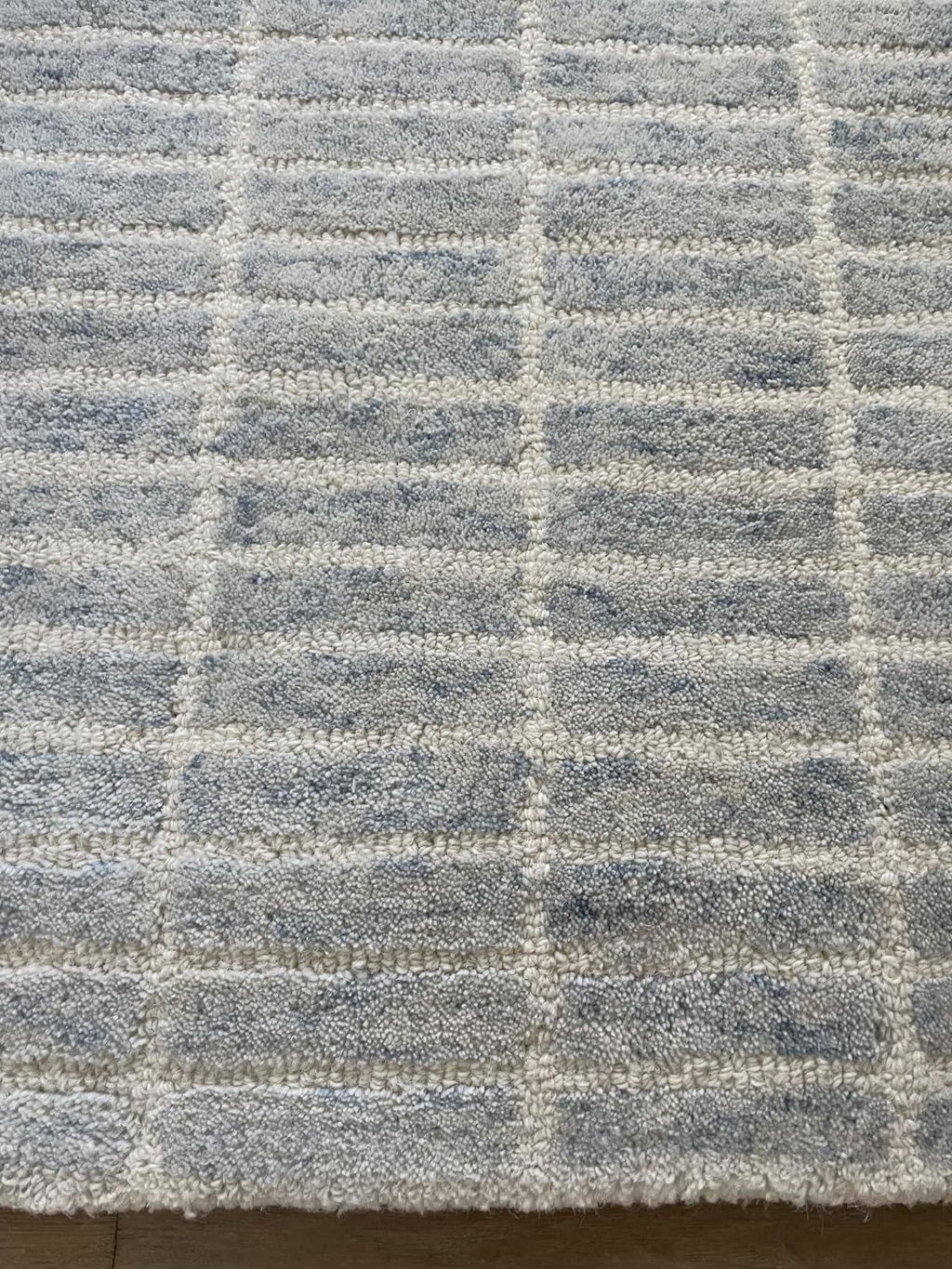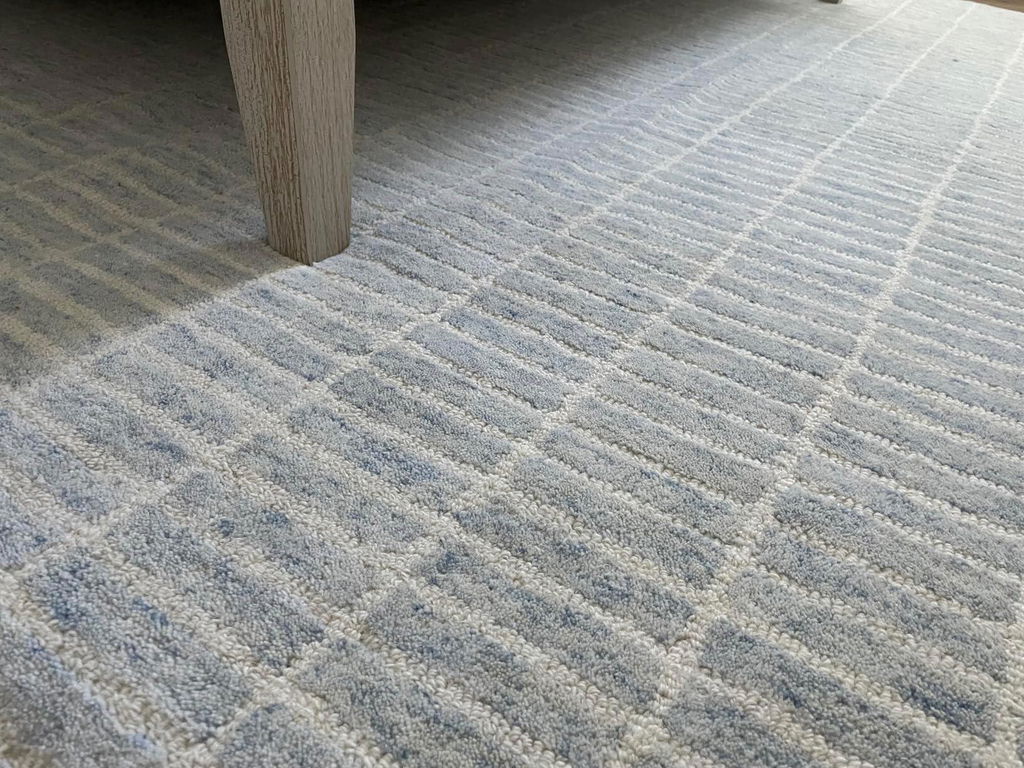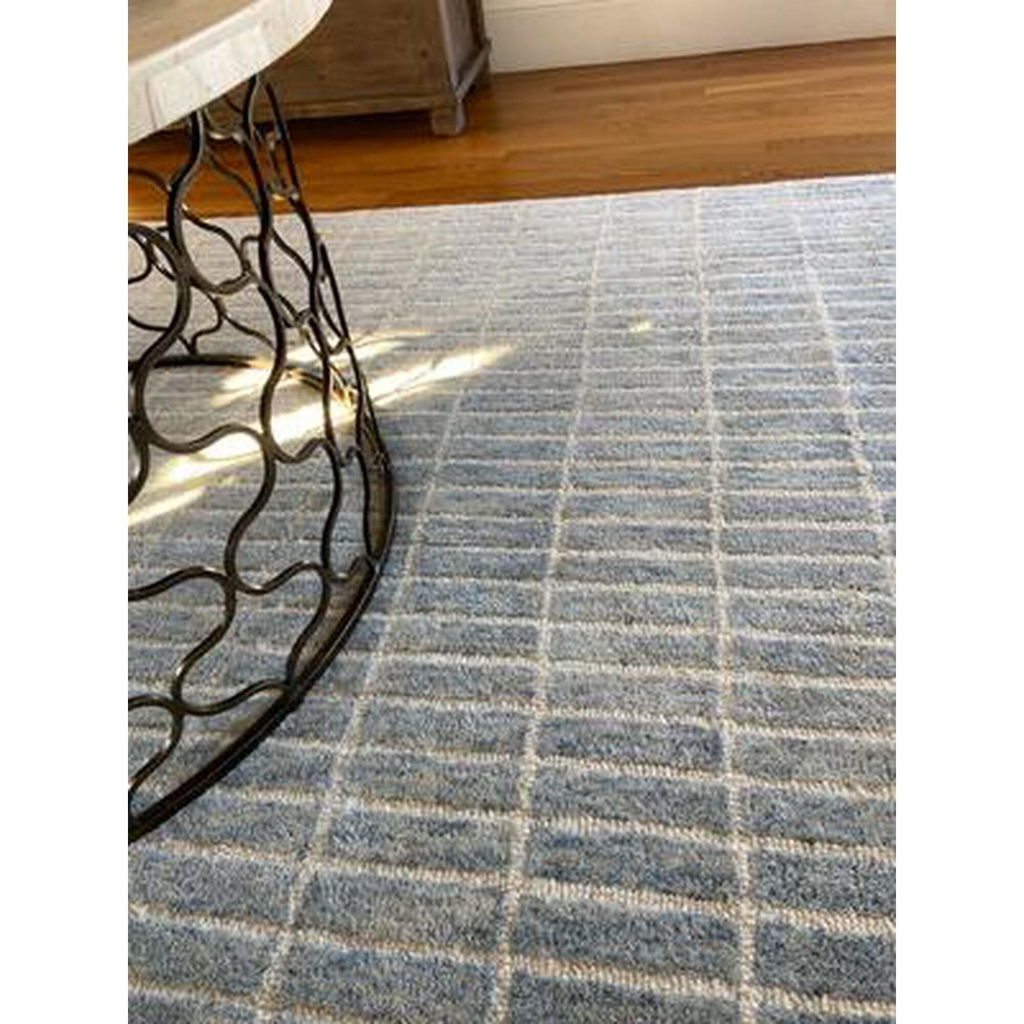


Open concept living rooms have become one of the most popular home design trends across the United States. By combining the living room, dining area, and kitchen into one spacious layout, homeowners enjoy a brighter, more connected living space.
However, decorating an open floor plan can be challenging, especially when it comes to defining different areas. That's where the right rug placement can make a significant difference.
At Avyay Rugs, we believe that a well-placed rug not only enhances the beauty of your home but also creates balance, comfort, and functionality.
Why Rug Placement Matters in Open Concept Spaces
Unlike traditional rooms with walls that naturally separate spaces, open layouts require visual cues to define each zone. Area rugs help create distinct living, dining, and seating areas while maintaining a cohesive design throughout the home.
Proper rug placement can:
-
Define different functional areas
-
Add warmth and comfort
-
Improve room proportions
-
Enhance interior design aesthetics
-
Reduce noise in large open spaces
1. Anchor the Main Seating Area
The living room is usually the focal point of an open concept layout. Place a large area rug beneath your seating arrangement to establish a clear gathering space.
Expert Tip:
Ideally, the front legs of all sofas and chairs should sit on the rug. For larger living rooms, placing all furniture legs on the rug creates a luxurious and cohesive appearance.
Popular rug sizes for American living rooms include:
-
8' x 10'
-
9' x 12'
-
10' x 14'
2. Create Separate Zones with Multiple Rugs
One of the best ways to organize an open floor plan is by using different rugs for each functional area.
For example:
-
A large wool rug in the living room
-
A durable flatweave rug under the dining table
-
A smaller accent rug near a reading nook
Using complementary colors and patterns helps maintain visual harmony while clearly defining each zone.
3. Position Dining Room Rugs Correctly
In open concept homes, the dining area often flows directly into the living room. A properly sized rug helps separate the dining space without disrupting the overall design.
Choose a rug that extends at least 24 inches beyond the dining table on all sides. This allows chairs to remain on the rug even when pulled out.
Best Choices:
-
Low-pile rugs
-
Flatweave rugs
-
Easy-to-clean wool rugs
4. Use Rugs to Guide Traffic Flow
Walkways are essential in open layouts. Avoid placing rugs where they obstruct natural movement between rooms. Leave enough space around furniture and between rugs to create clear walking paths. This helps the room feel open, functional, and inviting.
5. Layer Rugs for a Designer Look
Layering rugs is a growing trend in modern American interiors. Start with a larger neutral rug and place a smaller patterned or handmade rug on top.
This technique adds:
-
Texture
-
Visual interest
-
Depth
-
Luxury appeal
Handmade rugs from Avyay Rugs work beautifully as statement pieces in layered designs.
6. Choose the Right Rug Shape
While rectangular rugs remain the most popular option, other shapes can enhance open floor plans.
Rectangular Rugs
Best for large seating areas and dining rooms.
Round Rugs
Perfect for conversation areas, breakfast tables, or accent spaces.
Runner Rugs
Ideal for connecting spaces and guiding movement throughout the home.
7. Keep Rug Colors Cohesive
Since open concept spaces are visually connected, your rugs should complement each other rather than compete for attention.
Popular color trends in the USA include:
-
Beige and ivory
-
Warm earth tones
-
Soft gray
-
Natural wool shades
-
Blue and neutral combinations
Choosing a consistent color palette helps create a seamless flow throughout the home.
Common Rug Placement Mistakes to Avoid
Many homeowners make simple rug placement mistakes that can affect the overall appearance of their space.
Avoid:
-
Using rugs that are too small
-
Placing only the coffee table on the rug
-
Choosing conflicting patterns
-
Blocking walkways
-
Ignoring furniture proportions
Investing in the correct rug size often has a greater impact than investing in expensive furniture.
Conclusion
The right rug & carpet placement can completely transform an open concept living room by creating structure, comfort, and visual balance. Whether you're defining a seating area, separating a dining space, or adding warmth to a large floor plan, thoughtful rug placement is essential.
At Avyay Rugs, we offer premium handmade rugs designed to complement modern American homes. From timeless wool rugs to elegant statement pieces, our collection helps homeowners create beautiful and functional living spaces that feel connected and inviting.
FAQs
What size rug is best for an open concept living room?
For most American homes, 8' x 10' and 9' x 12' rugs work well. Larger spaces may require a 10' x 14' rug.
Should all furniture legs be on the rug?
For the most cohesive look, place at least the front legs of sofas and chairs on the rug.
Can I use multiple rugs in an open floor plan?
Yes. Multiple rugs help define separate zones while maintaining an organized and stylish appearance.
What rug material is best for open concept living rooms?
Wool rugs are highly recommended because they are durable, comfortable, and naturally resistant to wear.
How do I make an open concept room feel cozy?
Use large area rugs, layered textures, warm colors, and properly arranged furniture to create a comfortable atmosphere.